
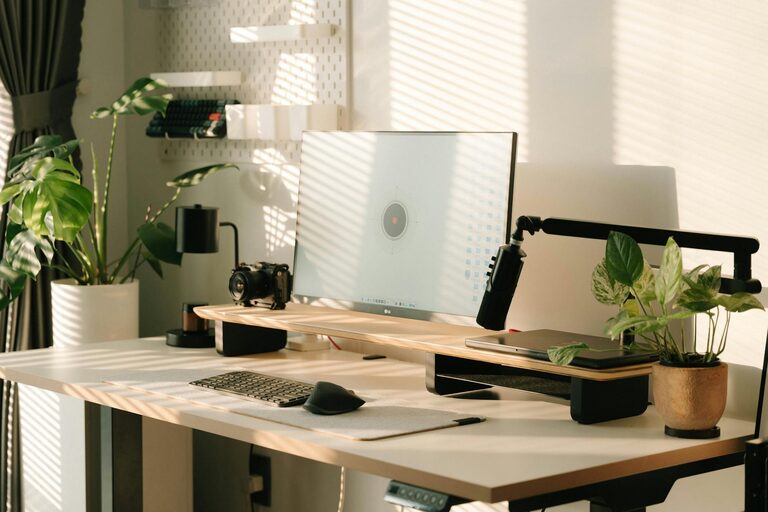
Creating a relaxing home workspace is essential for maintaining productivity and comfort during work hours. When your environment is calm and well-organized, it can help reduce stress, improve focus, and make working from home more enjoyable. Here are some effective tips to design a workspace that promotes both relaxation and productivity.
Choose the Right Location
Selecting the best spot in your home is the first step. Ideally, find a quiet area with minimal distractions. Natural light is a big advantage, so try to set up near a window. Good lighting not only brightens the space but also helps reduce eye strain.
Consider these when choosing your workspace:
– Away from noisy appliances or high-traffic areas
– Space to accommodate your desk, chair, and storage
– Easy access to electrical outlets and internet connections
– Option for some privacy when needed
Invest in Comfortable and Ergonomic Furniture
Comfort is key when working long hours at home. An ergonomic chair and desk setup can prevent back pain and promote good posture.
Furniture tips:
– Use a chair with adjustable height, back support, and comfortable padding
– Pick a desk that fits your equipment without crowding, ideally with enough surface area
– Consider a standing desk or adjustable desk converter to vary posture throughout the day
– Use a keyboard and mouse that support natural hand positions to prevent strain
Keep Your Workspace Organized
A clutter-free environment creates mental clarity. Organize your supplies and keep tools within reach.
Organization strategies:
– Use desk organizers, drawers, or shelves to store supplies neatly
– Keep only essential items on your desk to minimize distractions
– Establish a filing system for papers and digital documents
– Regularly tidy up the space at the end of each day
Add Personal but Calming Touches
Personalizing your workspace can make it more inviting without overstimulating your senses.
Ideas to enhance comfort and relaxation:
– Include plants to add greenery and improve air quality
– Hang calming artwork or photos that inspire you without distracting
– Use soft colors like light blues, greens, or neutrals on walls or accessories to promote calm
– Consider a small essential oil diffuser or gentle candles to create a soothing scent (if allowed in your space)
Manage Lighting Effectively
Lighting affects your mood and energy. Combine natural and artificial light for a balanced setup.
Lighting recommendations:
– Position your desk near a window for daylight
– Use adjustable desk lamps with warm light for late hours
– Avoid harsh overhead lighting that causes glare on screens
– Consider using screen filters or glasses to reduce blue light exposure
Incorporate Break and Movement Areas
It’s important to include space for breaks and movement to refresh your body and mind.
Ideas to stay active:
– Place a mat for stretching or light exercises nearby
– Create a small reading nook for breaks
– Use a timer to remind yourself to stand up and move every hour
– Consider simple tools like resistance bands or a balance ball chair
Establish a Daily Routine
Having a routine helps separate work time from personal time and keeps you focused.
Routine tips:
– Set clear work hours and stick to them as much as possible
– Begin your day by organizing your workspace and setting priorities
– Take regular breaks in your designated rest area
– End the day by tidying your desk to signal the workday’s end
Minimize Digital Distractions
Reducing interruptions from devices can boost your concentration.
Strategies to focus:
– Turn off non-essential notifications during work hours
– Use apps to block distracting websites if needed
– Keep your phone out of reach or on silent mode
– Organize your digital files for easy access and less frustration
Maintain Good Air Quality and Temperature
A comfortable climate contributes to your well-being.
Tips for air and temperature:
– Open windows occasionally to let fresh air circulate
– Use fans or heaters to maintain a comfortable temperature
– Consider air purifiers if your home tends to be dusty or stuffy
Final Thoughts
Designing a relaxing home workspace is about balancing function with comfort. When your space feels inviting and organized, you’re more likely to stay productive and enjoy your workday. Start with small changes and adjust based on your needs, making your home office a place you look forward to working in every day.
