Creating a productive home office space is key to maintaining focus and efficiency while working remotely. Whether you have a dedicated room or a small corner, thoughtful planning and organization can make a big difference. Here are some practical tips to help you design a comfortable and effective workspace that supports your daily tasks.
Choose the Right Location
Finding the ideal spot for your home office is the first step. Select a quiet area away from distractions such as television or high-traffic zones. If possible, choose a space with natural light to help improve mood and alertness throughout the day. Avoid working in bed or on the couch, as these places may affect your posture and focus.
Invest in Ergonomic Furniture
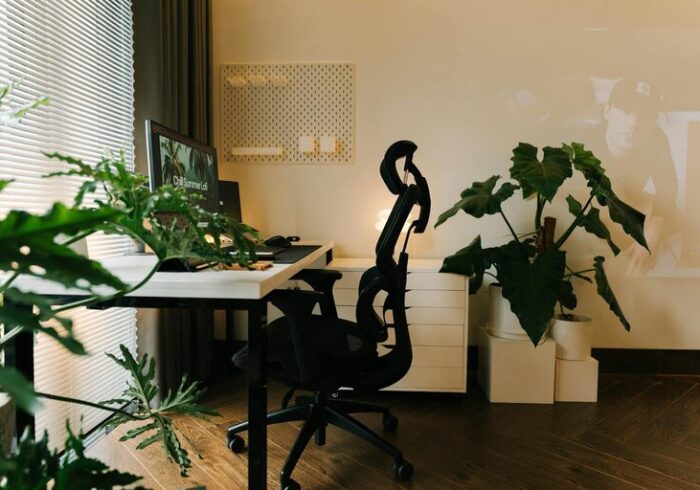
Comfort is essential when spending hours at your desk. Invest in a chair with good lumbar support and adjustable height. Your desk should be at a height where your elbows rest comfortably at a 90-degree angle. This setup prevents strain on your back, neck, and wrists. If space is limited, consider a foldable desk or wall-mounted options.
Organize Your Workspace
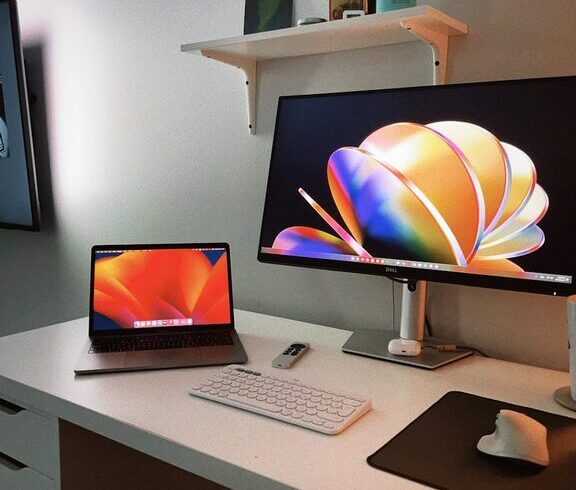
A clutter-free environment helps reduce stress and distractions. Use storage solutions like shelves, drawers, or filing cabinets to keep documents and office supplies neatly stored. Keep your desk surface clean except for essential items such as your computer, keyboard, and a notepad. Utilize cable organizers to manage cords and minimize tangles.
Optimize Lighting
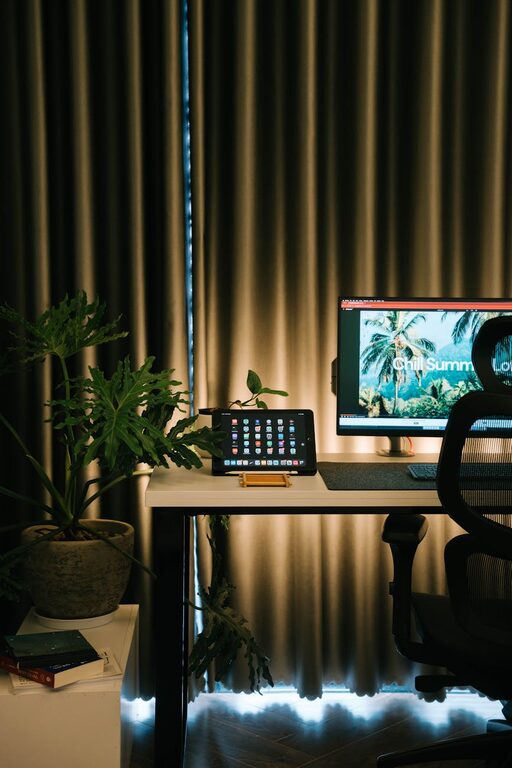
Proper lighting reduces eye strain and enhances productivity. Combine natural light with adjustable artificial lighting. A desk lamp with adjustable brightness can help during early morning or late-night work sessions. Avoid positioning your computer screen directly in front of or behind windows to minimize glare.
Personalize Mindfully
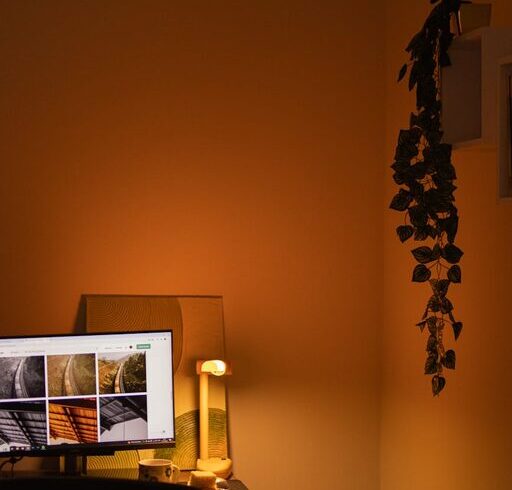
Adding small personal touches can make your workspace inviting and motivating. Consider placing a few plants, inspirational quotes, or artwork. However, avoid overcrowding the area, as this can create distractions. Choose items that inspire focus and positivity.
Establish Clear Boundaries
Working from home can blur the line between professional and personal life. Create routines to signal the start and end of your workday. Use physical boundaries if possible, such as closing the door to your office or using a specific rug to define the space. Inform household members of your working hours to minimize interruptions.
Utilize Technology Wisely
Equip your home office with the right tools to improve efficiency. High-speed internet, a reliable computer, and noise-cancelling headphones can make a noticeable difference. Use software and apps that help with task management, communication, and time tracking. Regularly update your devices to avoid technical disruptions.
Maintain Good Air Quality
A well-ventilated workspace promotes alertness and wellness. If you don’t have access to fresh air through windows, consider an air purifier to keep the air clean. Avoid strong fragrances or excessive heating, which can cause discomfort or headaches.
Take Regular Breaks
Even the best workspace won’t help if you don’t take care of yourself. Follow techniques like the Pomodoro method—working for focused intervals with short breaks in between. Stand up, stretch, or take a brief walk to refresh your mind and body.
—
Creating an efficient and comfortable home office space takes some effort, but the benefits to your productivity and well-being are well worth it. By choosing the right location, investing in ergonomic furniture, and organizing your environment thoughtfully, you can transform your home office into a space where work feels natural and rewarding.