
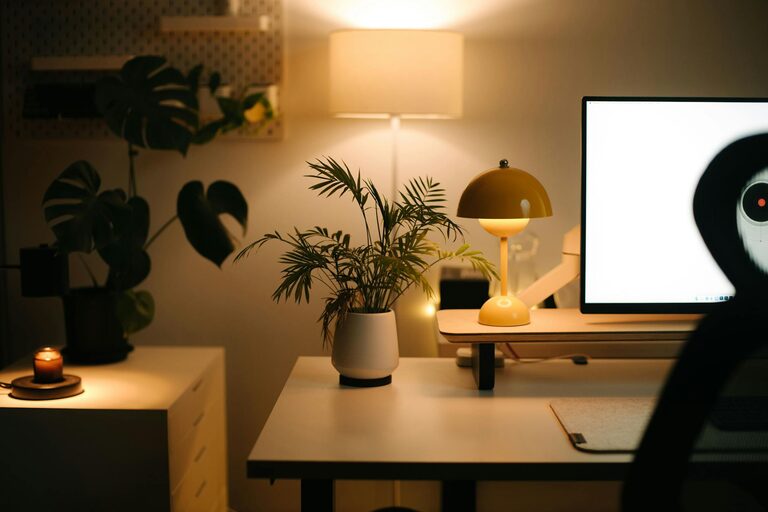
Creating a cozy and inviting home workspace is essential for anyone working or studying from home. A space that feels comfortable and inspiring can improve focus, boost creativity, and make your workday more enjoyable. Whether you have a dedicated room or a small corner, there are many ways to craft an environment that suits your needs and personal style. In this post, we’ll explore practical tips to help you design a workspace that feels warm, welcoming, and productive.
Choose the Right Location
The first step in creating a cozy workspace is selecting the best spot in your home. Ideally, you want a quiet area with minimal distractions and enough space to accommodate your work essentials.
– Natural Light: Position your desk near a window to make the most of natural light. Sunlight can enhance mood and reduce eye strain.
– Privacy: If possible, select a spot away from busy areas like the kitchen or living room.
– Ventilation: Good air circulation keeps the space fresh and inviting.
Invest in Comfortable and Supportive Furniture
Comfort is key when setting up your workspace. Sitting for long periods can cause discomfort and decrease productivity, so invest in furniture that supports your health.
– Ergonomic Chair: Choose a chair that provides good lumbar support, adjustable height, and comfortable cushioning.
– Appropriate Desk Size: Ensure your desk is large enough to fit your computer, notebook, and other essential tools without feeling cluttered.
– Standing Options: Consider a sit-stand desk if you want to alternate between sitting and standing throughout the day.
Personalize with Warm and Inviting Decor
Adding personal touches can make your workspace feel more welcoming and motivate you during work hours.
– Colors: Use warm or soft colors like beige, pastel blues, or greens to create a calming atmosphere.
– Artwork or Photos: Hang inspirational quotes, your favorite artwork, or photographs that bring you joy.
– Plants: Small indoor plants not only add life to your workspace but also improve air quality.
Organize for Efficiency and Calm
Clutter can be distracting and stressful. Keeping your workspace tidy promotes focus and creates a peaceful environment.
– Storage Solutions: Use shelves, drawers, or storage boxes to keep supplies organized.
– Desk Accessories: Invest in desk organizers for pens, paper, and chargers to keep everything within reach but tidy.
– Cable Management: Use clips or sleeves to keep cords neat and prevent tangling.
Optimize Lighting for Comfort and Focus
Besides natural light, having proper artificial lighting is crucial to avoid eye strain and maintain a cozy ambiance during evening hours.
– Task Lighting: Use a desk lamp with adjustable brightness to light your work surface properly.
– Ambient Lighting: Soft overhead lights or lamps can reduce harsh shadows.
– Avoid Glare: Position screens and lights to avoid glare on your computer.
Create a Calm and Quiet Atmosphere
A peaceful environment helps you concentrate and feel relaxed during your work hours.
– Soundproofing: Use rugs, curtains, or acoustic panels to absorb noise.
– Background Music: Play soft or instrumental music if it helps you focus.
– Aromatherapy: Light scented candles or use essential oils to create a soothing aroma.
Incorporate Break and Relaxation Areas
If space allows, dedicate a small area for breaks to help you recharge without leaving the room.
– Comfortable Seating: Add a cozy chair or a small sofa.
– Reading Nook: Include books or magazines that you enjoy.
– Refreshments Station: Keep a water bottle, tea, or coffee nearby.
Maintain Good Habits for a Cozy Workspace
Your workspace’s coziness also depends on how you use and maintain it daily.
– Daily Tidying: Spend a few minutes at the end of the day organizing your desk.
– Personal Routine: Set work hours and take regular breaks.
– Refresh Decor: Occasionally update your space with new colors, plants, or accessories to keep it inspiring.
—
By carefully considering these aspects, you can create a home workspace that not only looks inviting but also supports your well-being and productivity. Remember, the goal is to design a space that feels like your personal comfort zone—encouraging you to do your best work every day.
